
Intrauterine Insemination (IUI)
Prepared sperm is placed directly into the uterus around ovulation. A less invasive fertility treatment offered at our Nnewi hospital, often considered before moving to IVF.
IUI places washed, concentrated sperm directly into the uterine cavity at the time of ovulation, shortening the journey sperm must make and increasing the number reaching the fallopian tubes.
It is typically considered for mild male factor infertility, unexplained infertility, or difficulties with intercourse, and requires at least one open fallopian tube. It may be combined with ovulation induction.
IUI is considerably less invasive and less costly than IVF, though success rates per cycle are lower. Where IUI is unlikely to succeed on clinical grounds, we will say so rather than have you spend months on treatment with poor prospects.
What the process involves
- Assessment - Confirming tubal patency and assessing sperm quality.
- Cycle monitoring - Tracking ovulation, sometimes with medication to induce it.
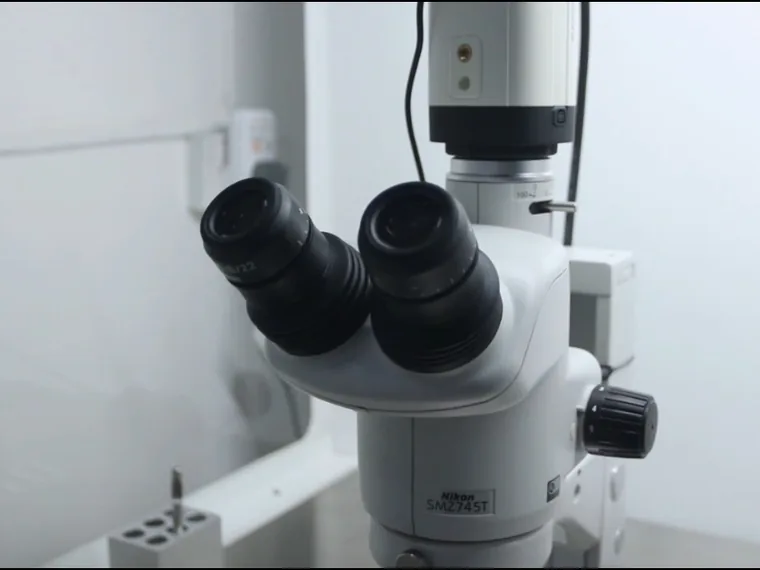
- Sperm preparation - The sample is washed and concentrated in the laboratory.
- Insemination - A brief outpatient procedure using a fine catheter.
- Pregnancy test - About two weeks later.
Common questions
Most women describe mild cramping similar to a smear test. No anaesthetic is needed and you can usually resume normal activity the same day.
If IUI has not succeeded after three to six cycles, moving to IVF is usually the right conversation to have.